Your quote list
Review products and quantities, then request a quote.
Your quote list is empty.
Review products and quantities, then request a quote.
Your quote list is empty.
Home / Catalog / Building Materials
Gravel grids and project material sourcing. Compare options and request pricing.
Reviewed by Ryan Penick, Operator, Wholesale Industry LLC · Updated October 2026
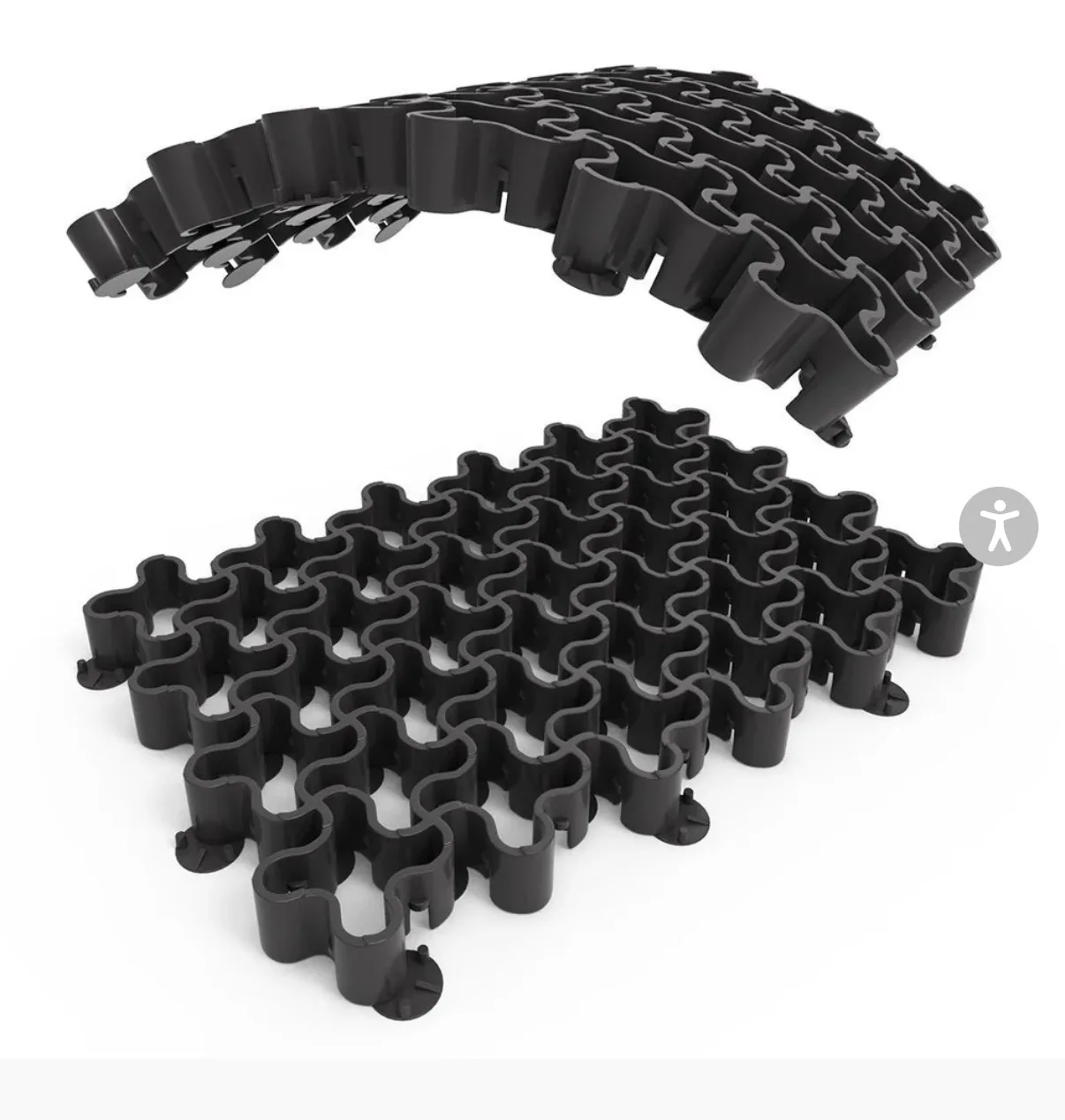
Building materials at Wholesale Industry focus on gravel grids: interlocking plastic panels that hold gravel in place for driveways, parking areas, paths and equipment pads. Grids are sourced to each project, with brand, panel dimensions and specifications confirmed in your quote, and they can ship alongside containers and storage products on the same order.
A gravel grid is a cellular panel, usually plastic, that locks together with neighboring panels and is filled with gravel. The cells stop stones from migrating under tires and foot traffic, which reduces ruts, potholes and the gravel that ends up on lawns and roads. The grid sits on a prepared base; the gravel fill is what you see and drive on. Browse the gravel grids category or go straight to the gravel grid product type.
Cells confine gravel so loads spread across the panel instead of pushing stones aside.
A gravel surface lets rain pass through to the base instead of running off a hard surface.
Less migration means less regrading and less topping up of loose stone over time.
| Surface | Strengths | Trade-offs |
|---|---|---|
| Loose gravel | Low material cost, quick to spread | Ruts, migration and regular regrading |
| Gravel in grids | Stable surface that still drains; panels are light to handle | Needs base preparation and correct fill; check the rated capacity of the exact product |
| Concrete or asphalt | Hard, smooth surface | Higher installed cost, runoff, heavy equipment and curing time |
| Pavers | Finished appearance | Labor-intensive installation and higher material cost |
Gravel grids differ more than they look. Compare products on these points before ordering:
If an engineer or municipality has issued a specification for the project, send it with your request so the offered grid can be compared line by line.
Quantity starts with area. Measure the length and width of each section in feet, multiply, and add the sections together. Add an allowance for cuts along curves and edges, and for any irregular shapes. Because panel dimensions vary by product, send the total area with a simple sketch and the quote will convert it to panels for the grid offered.
Gravel is quantified separately. You will need fill for the cells and, depending on the product instructions, a thin layer over the top. The base layer beneath the grid is a further quantity. If you are sourcing gravel locally, ask the supplier to work from the cell depth and area in your quote.
Every product has its own instructions, and soil, climate and traffic change what is needed. As a general outline, most installations follow these steps:
For driveways and commercial areas, have the base design checked by someone familiar with your soil and loads.
A gridded surface needs far less work than loose stone, but not none. Top up gravel where cells show through, keep drainage paths clear, and check edges where vehicles turn sharply. Plowing works best with the blade raised slightly or fitted with a shoe so it does not catch panel edges.
Building materials are often part of a bigger setup. A yard that receives shipping containers, IBC totes or bulk bins may also need a stable surface for them. Listing everything on one request lets freight be planned together and keeps the project to one point of contact. Contractors and procurement teams can also send repeat project needs so quantities and specifications are kept on file between jobs.
Send the project area, intended use, any specification you need, quantity or coverage and the delivery ZIP through request a quote, or call 855-964-2534. Brand, dimensions and availability are confirmed in the quote. Freight is quoted to your ZIP and full truckloads are quoted individually; pickup can be arranged where available. Browse the full catalog to add other items to the same order.
Gravel grids are typically interlocking plastic panels formed into open cells. The exact material, panel size, cell depth and connection method depend on the product, and brand and specifications are confirmed in your quote. Ask for the product data for the grid offered if your project specification lists particular requirements.
Measure the length and width of each area in feet, multiply, and add the areas together. Add an allowance for cuts along edges and curves. Send the total square footage with a simple sketch, and the quote will convert it to the number of panels for the specific grid offered.
Load capacity depends on the specific grid, the base beneath it and the soil, so check the rated capacity of the exact product and have the base designed for your traffic. Describe the heaviest vehicle or equipment in your request so the offered product can be compared against it.
No. Gravel grids are quoted as panels, and the cell fill and base material are sourced separately, often from a local aggregate supplier. Your quote can include the cell depth and area so you can order the right volume of gravel for the fill and any top layer.
Yes. Gravel grids can be listed on the same request as shipping containers, storage tanks, IBC totes or bulk bins. Group items by destination so freight can be planned, and note any timing differences, such as grids arriving before the containers that will sit on them.
Gravel grids are the listed product in this department, and other project materials can be requested as sourcing inquiries. Describe the material, any specification, the quantity and the destination ZIP through the quote form, and availability, pricing and delivery will be confirmed with you.